Ethiopian Client Kidus Visits Our Factory for 30-50T/D Corn Milling Equipment: Tailored Solutions for Local Success
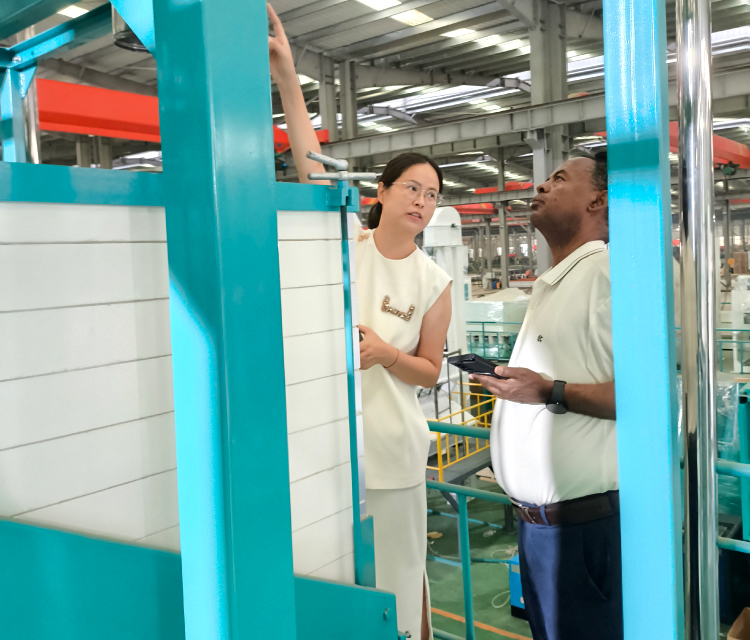
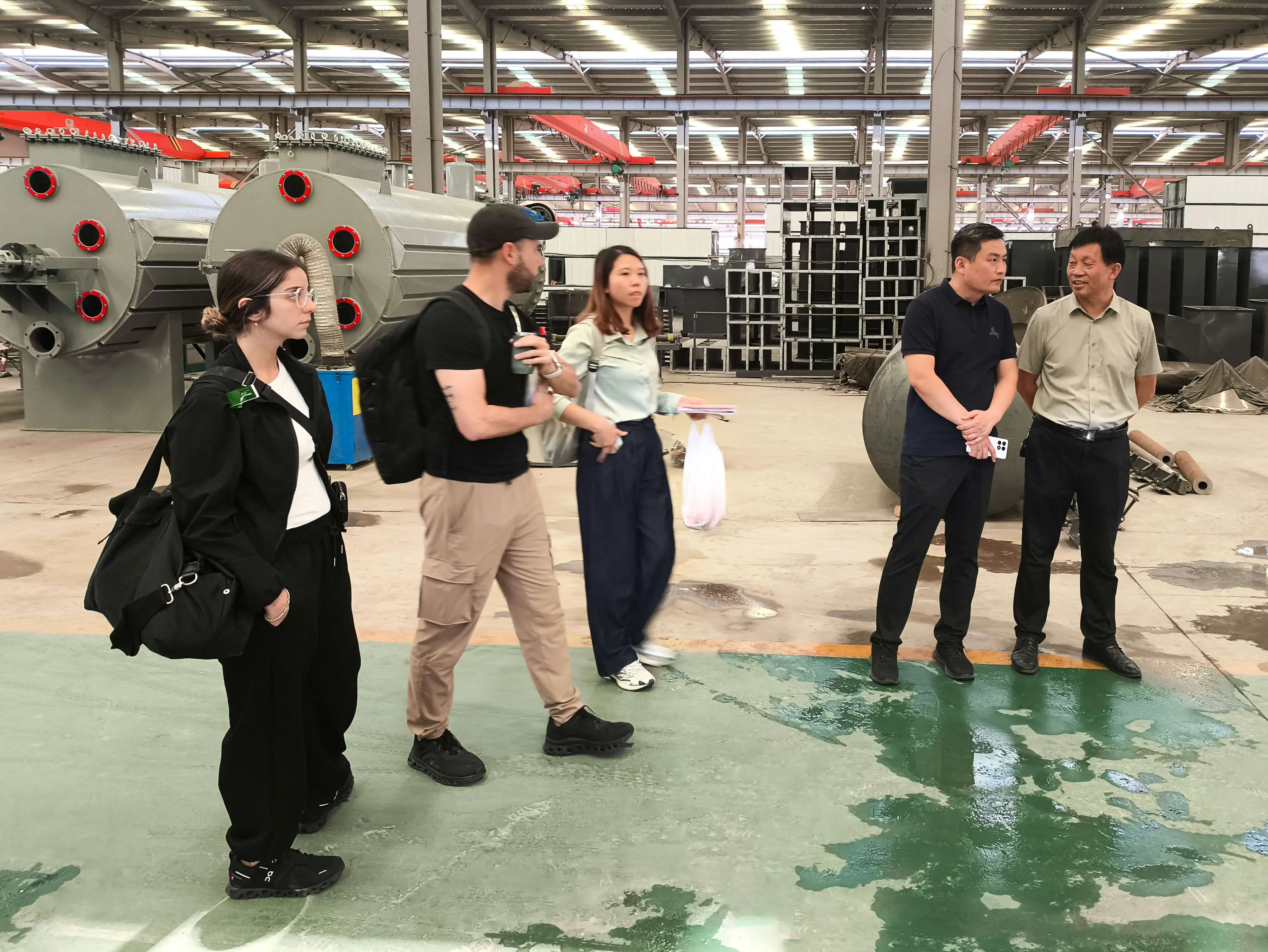
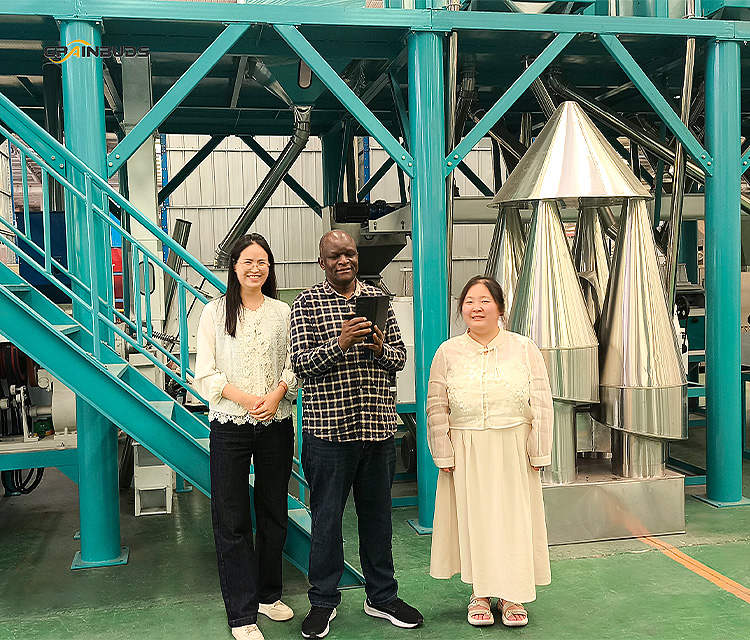
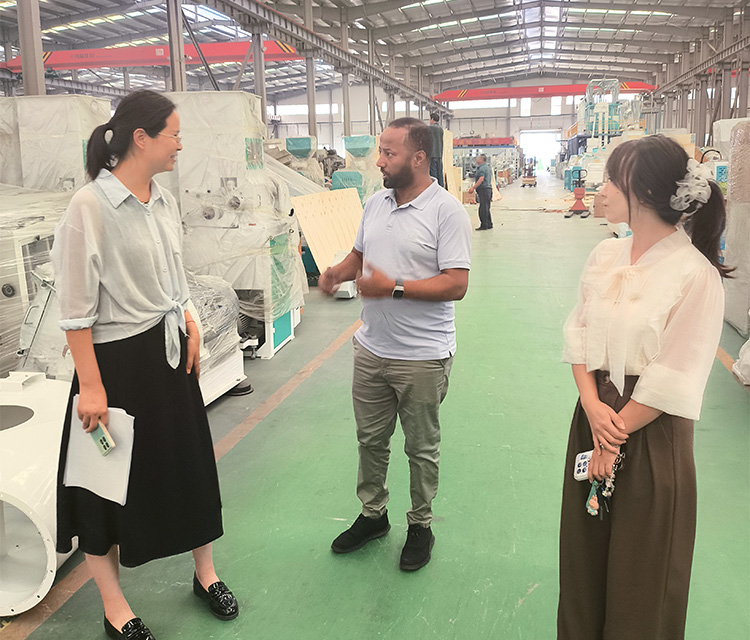
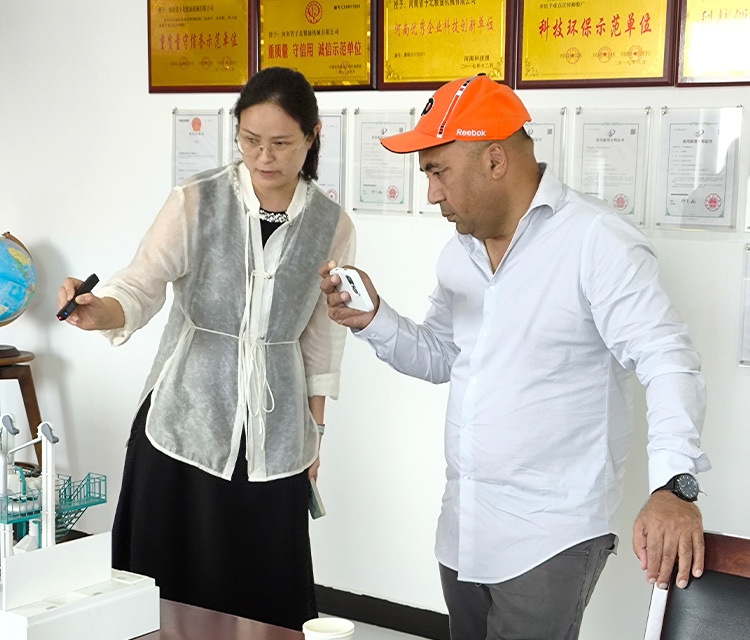
During the Canton Fair, Ethiopian client Kidus visited our factory to get 30-50T/D corn milling equipment for his grain business. After touring facilities and discussing custom plans, he trusted our partnership.
With 23 years of experience, our equipment adjusts 30-50T daily for Ethiopia’s seasonal corn. Strict quality checks (high-strength steel, simulations) ensure durability, matching our exports to 60+ countries. We added fine flour purification (for injera) and dual-power to fix outages, plus post-purchase support. We empower Kidus’ growth, a top choice for African entrepreneurs needing this equipment.
View More >



.jpg)